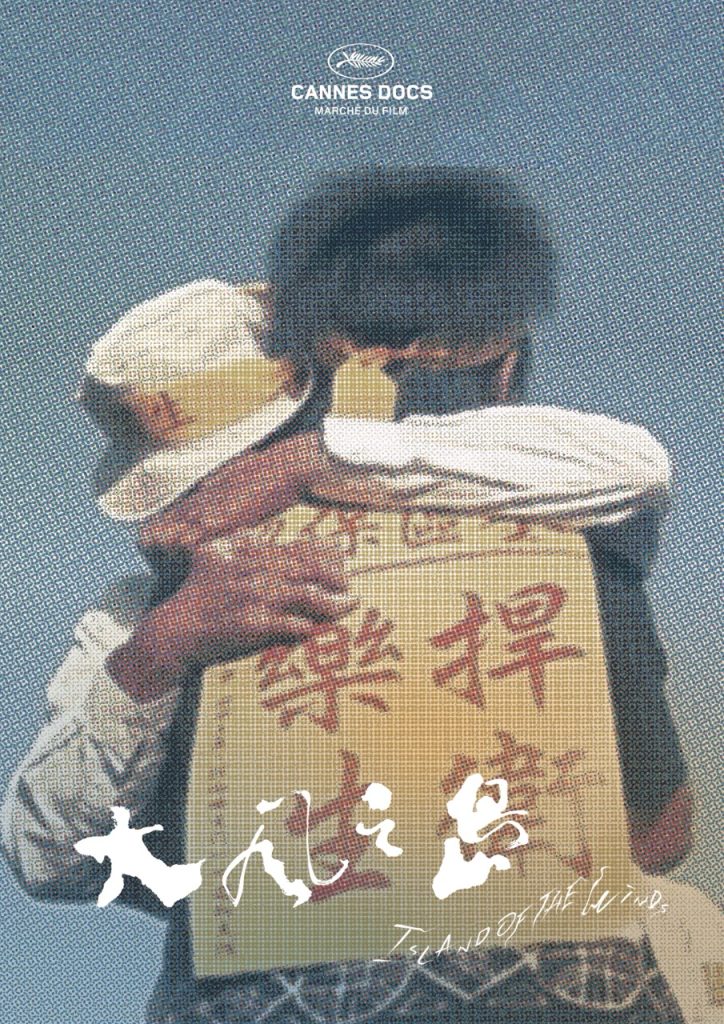
片名:《大風之島》
Title: Islands of the Winds
片長:120分鐘
Running Time: 120 min
創作年份:2025
Year of Production: 2025
類型:紀錄片
Genre: Documentary
導演:許雅婷
Director: Hsu Ya-ting
製片:黃胤毓、許雅婷
Producers: Huang Yin-yu, Hsu Ya-ting
製片地區:臺灣、日本、法國
Countries of Production: Taiwan, Japan, France
語言:國語、臺語
Language: Mandarin, Taiwanese
分級:普遍級
Rating: General Audiences
發行:希望影視行銷股份有限公司
Distributor: Hope Marketing Entertainment
上映日期:2025年12月5日
Release Date: December 5, 2025
官方網站:
Website: https://www.facebook.com/islandofthewinds
影片梗概
Synopsis
在臺灣都市邊陲的樂生療養院山坡上,一群患有漢生病的院民沉睡於近一世紀的隔離之中。他們的生活雖忙碌卻平靜,生命如盤根錯節的樹根,深深紮根於這片土地。
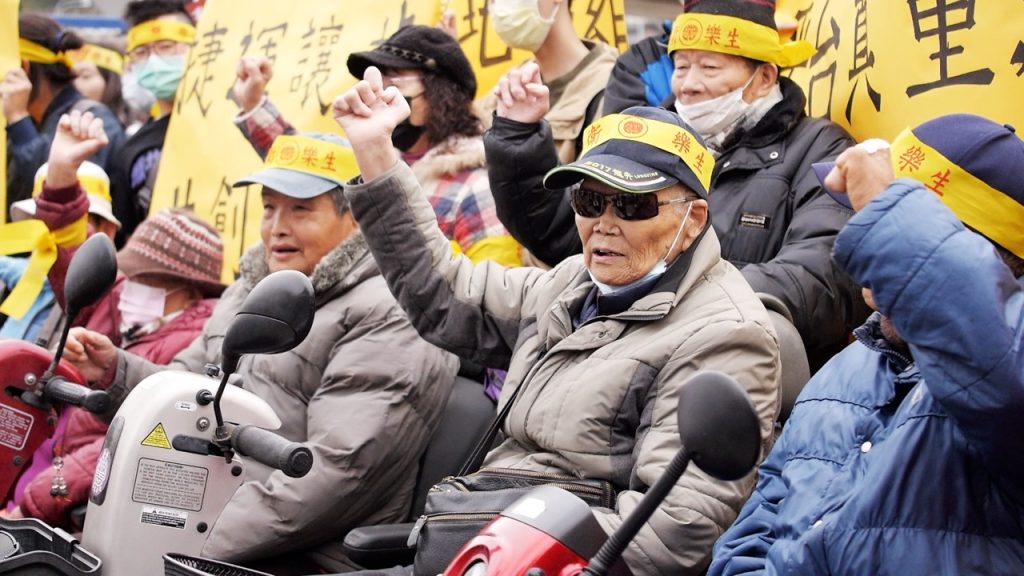
2005年,一場因捷運機廠開發而引發的迫遷爭議,將院民們捲入錯綜複雜的政治角力。面對強權壓迫,他們組成自救會,覺醒、奮起,不再甘於被視為病人,而渴望作為「完整的人」被對待。
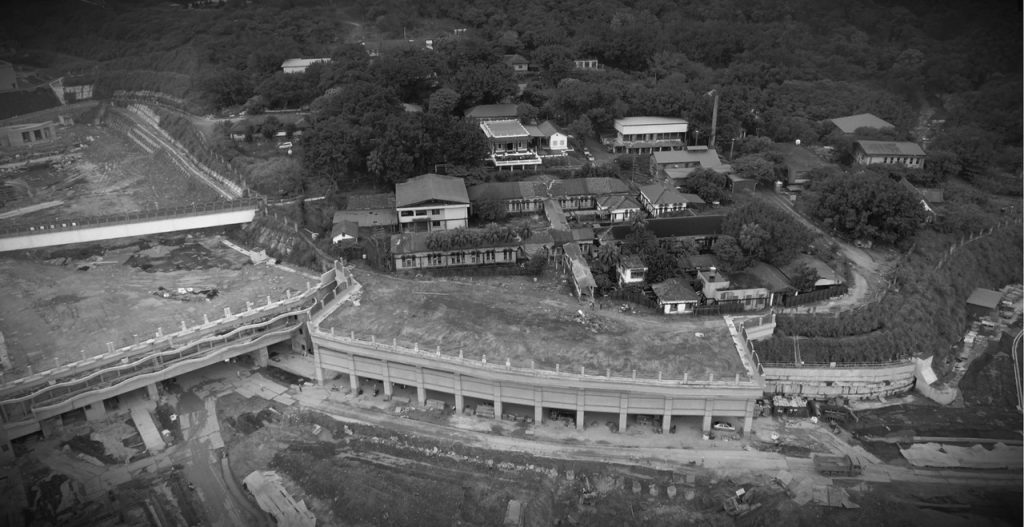
然而,這場抗爭比想像中更漫長、更艱難。12年後,樂生終於開始重建,重建工程卻步步侵蝕,這片山坡日漸縮減,如今僅剩一道通往無處的斷頭橋與外界相連,成為真正的孤島。政治角力如狂風呼嘯而過,院民們則以殘弱的身軀、堅定的意志,死守生活的點滴,不肯放手。這些羈絆,是他們曾奮力活著的證明。
On the hillside of Losheng Sanatorium, at the edge of urban Taiwan, a group of residents affected by Hansen’s disease have lived through nearly a century of isolation. Their lives are busy yet quiet, deeply rooted in this land like tangled tree roots.
In 2005, a forced relocation dispute caused by the construction of a metro depot pulled the residents into a complex political struggle. Facing pressure from those in power, they formed a self-help association, awakened, rose up, and refused to be treated merely as patients. They longed to be seen as whole human beings.
Yet the struggle proved longer and harder than anyone had imagined. Twelve years later, the reconstruction of Losheng finally began, but the project continued to erode the hillside. Today, only a broken bridge leading nowhere connects the site to the outside world, turning it into a true island. As political forces sweep through like fierce winds, the residents, with fragile bodies and unshakable will, hold on to the fragments of everyday life. These bonds are proof that they have struggled to live.
關於影片
About the Film
《大風之島》探討二十年以來政治張力下所遺留的今日困境,並關注自救會院民如何作為當事人與錯誤政策下的弱勢者,面對家園、記憶、人權與尊嚴之間的衝突。
導演重返樂生拍攝,是因為當外界普遍認為樂生運動已經落幕時,她在現場看到的卻是:這場運動從未真正結束。院民們仍在承擔強權決策的後果,而電影正是導演用來回應他們的一種方式。
影片選擇以時間的跨度緩慢記憶,走入院民的生活,記錄他們在政治、疾病、迫遷與老去之間所展現的魅力、主體性與生命韌性。片中的人物不是典型意義上的受害者,而是活生生的人,是朋友、長輩,也可能是我們自己的映照。
Islands of the Winds examines the unresolved consequences left by two decades of political tension, focusing on how the residents of Losheng Sanatorium, as both those directly affected and those made vulnerable by flawed policies, confront conflicts between home, memory, human rights, and dignity.
The director returned to Losheng because, while many believed the movement had already ended, what she witnessed there was the opposite: it had never truly ended. The residents were still bearing the consequences of decisions made by those in power, and the film became her way of responding to them.
Through a long span of time, the film slowly remembers. It enters the residents’ everyday lives and records their agency, resilience, and complexity amid politics, illness, forced relocation, and aging. The people in the film are not simply victims; they are living individuals, friends, elders, and perhaps reflections of ourselves.
導演闡述
Director’s Words
二十年前,我踏上這座以痲瘋病為名的孤島:樂生療養院。走在山坡入口以 Y 字型分為病者與健康者的通道,我選擇病者的那條,一步步想像著院民此後生命的分歧。
當時年輕的我,深深被他們的生命力震撼。站在反迫遷抗爭的街頭,我看見他們勇敢說出訴求,竭力對抗強權壓迫,像是沉睡已久的靈魂剛被喚起。我以為那段紀錄關係已經畫下句點,完成短片後便前往自己的未來。
然而往後數年,迫遷持續,壓迫也以不同形式延續。六年前,我重新拿起攝影機,透過鏡頭看見更多消逝與改變:蟬聲被工程巨響淹沒,紅磚房舍成為廢墟,通道被斷頭橋截斷,院民一一凋零。但他們在街頭肉搏的精神從未改變,仍在媒體前、法庭上,為家園、尊嚴與存在的價值發聲。
我相信,本片不只是政治運動的紀錄,也不只是關於痲瘋疾病的悲劇,而是一個更深刻、能與所有人共鳴的人性故事。它將成為一道橋,讓被疾病困住的人們與健康的人們通向彼此。終有一天,痲瘋病會不復存在,院民也將一一逝去,但電影會永遠留存他們存在的痕跡,讓生者繼續為死者傳述故事。
Twenty years ago, I stepped onto this island named after leprosy: Losheng Sanatorium. At the entrance to the hillside, a Y-shaped path separated the sick from the healthy. I chose the path of the sick and began to imagine how the residents’ lives had diverged from that point on.
As a young filmmaker, I was deeply moved by their vitality. On the streets of the anti-eviction movement, I saw them courageously voice their demands and resist oppression, as if long-sleeping souls had just been awakened. I thought that documentary relationship had come to an end after I completed a short film and moved on toward my own future.
But in the years that followed, forced relocation continued, and oppression persisted in different forms. Six years ago, I picked up the camera again and witnessed even more disappearance and change: the sound of cicadas drowned out by construction noise, red-brick houses reduced to ruins, the path cut off by a broken bridge, and the residents passing away one by one. Yet their fighting spirit never changed. In front of the media and in court, they continued to speak for their home, dignity, and the value of their existence.
I believe this film is not merely a record of a political movement, nor only a tragedy about Hansen’s disease. It is a deeper human story that can resonate with us all. It will become a bridge between those confined by illness and those considered healthy. One day, Hansen’s disease may no longer exist, and the residents will have passed on, but cinema will preserve the traces of their existence, allowing the living to continue telling the stories of the dead.
導演簡歷
Biography
許雅婷,1983年生於臺北,2009年畢業於芝加哥藝術學院電影錄像新媒體研究所。她從紀錄真實中找到豐富的創作養分,創作橫跨劇情、紀錄與實驗電影。她以影像為媒介,從人性視角描繪當代重要議題,直指時代問題核心。除導演與製片外,她也從事編劇、剪輯與影視教育工作。
Hsu Ya-ting was born in Taipei in 1983 and graduated from the School of the Art Institute of Chicago’s Film, Video, New Media, and Animation program in 2009. Drawing creative energy from documenting reality, she works across fiction, documentary, and experimental cinema. Through moving images, she examines urgent contemporary issues from a deeply human perspective. In addition to directing and producing, she has also worked as a screenwriter, editor, and film educator.
作品年表
Filmography
2025 《大風之島》
2025 Islands of the Winds
2016 The River
2013 《五十六號公主》
2013 Princess No. 56
2009 《放心漫舞》
2009 Mind Dance
2008 《莎莎》
2008 Nowhere Island
2006 《樂生活》
2006 Life With Happiness
影片獲獎及參展情況
Film Festivals and Awards
2025 台北電影節「台北電影獎」百萬首獎、最佳紀錄片、最佳剪輯
Taipei Film Festival, Taipei Film Awards, Grand Prize, Best Documentary, and Best Editing, 2025
2025 金馬獎最佳紀錄片入圍
Golden Horse Awards, Nominee for Best Documentary Feature, 2025
2025 BFI 倫敦影展世界首映
BFI London Film Festival, World Premiere, 2025
2025 台灣國際女性影展台灣競賽銀獎
Women Make Waves International Film Festival, Taiwan Competition Silver Award, 2025
2022 柏林影展歐洲電影市場展,台灣館代表推廣片單
European Film Market, Berlin International Film Festival, Taiwan Pavilion Selection, 2022
2022 坎城影展市場展 Cannes Docs,IEFTA Award
Cannes Docs, Marché du Film, IEFTA Award, 2022
主要人物
Main Characters
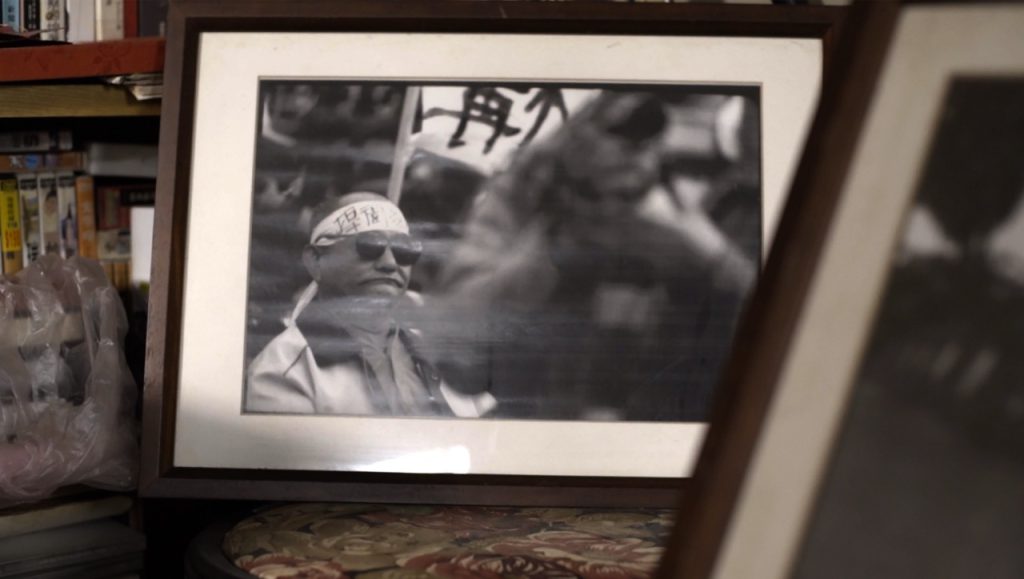
李添培:樂生院自救會的重要支柱,曾任自救會會長,長年為漢生病人權、居住正義與樂生保留奔走。
Lee Tien-pei: A key figure in the Losheng Self-Help Association, he has long fought for Hansen’s disease human rights, housing justice, and the preservation of Losheng.
藍彩雲:長年居住於女子單身宿舍「貞德舍」,在拆遷後仍堅定投入保留運動,成為溫柔而堅定的支持力量。
Lan Tsai-yun: A longtime resident of the women’s dormitory, she remains a gentle yet steadfast force in the preservation movement.
陳再添:性格剛烈、不畏強權,是院民中勇於發聲與衝撞的領袖人物。
Chen Tsai-tien: Strong-willed and fearless, he is one of the residents’ most outspoken leaders.
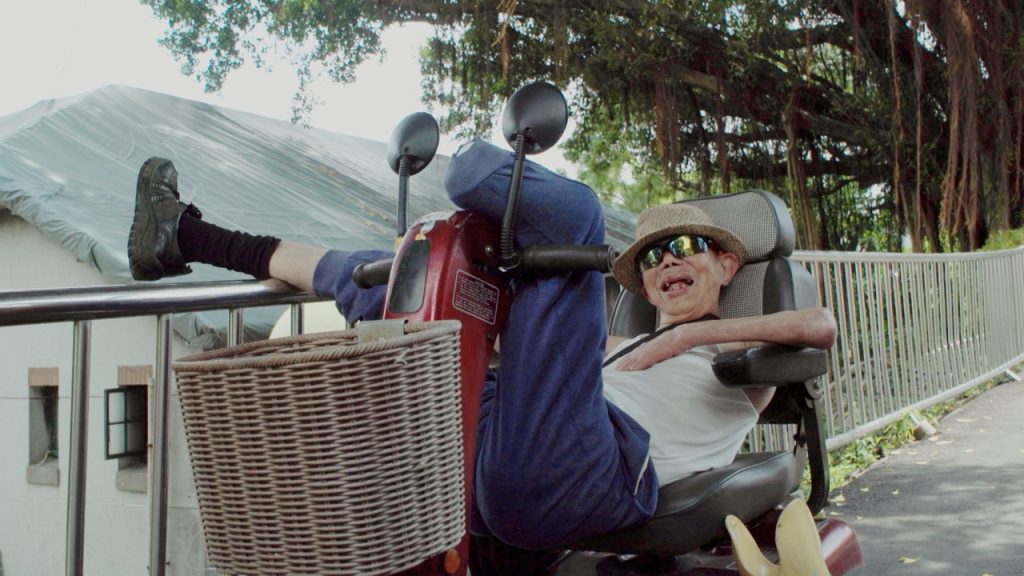
黃文章:嚴重肢體障礙的院民之一,仍堅持住在舊院區,以自己的方式維持日常生活與記憶。
Huang Wen-chang: One of the residents with severe physical disabilities, he insists on remaining in the old sanatorium area and preserving his everyday life and memories.
黃金英:樂生院最年輕的院民之一,從童年起便在隔離制度下成長,長年照顧其他患者與院區中的貓狗。
Huang Chin-ying: One of the youngest residents of Losheng, she grew up under the isolation system and has long cared for other residents and the animals on the hillside.
林秀芃:青年樂生聯盟成員,長年以法律與倡議行動支持自救會院民,與院民建立如親人般的情感羈絆。
Lin Hsiu-peng: A member of the Youth Alliance for Losheng, she has supported the residents through legal advocacy and long-term companionship.
團隊清冊
Credits
出品:雅科星文創有限公司、木林電影有限公司、Moolin Production、Wide Productions、Gurigura Films、文化內容策進院
Presented by: Arko Star Cultural & Creative Co., Ltd., Moolin Films, Moolin Production, Wide Productions, Gurigura Films, Taiwan Creative Content Agency
製作:雅科星文創有限公司、木林電影有限公司、Moolin Production、Wide Productions、Gurigura Films
Production: Arko Star Cultural & Creative Co., Ltd., Moolin Films, Moolin Production, Wide Productions, Gurigura Films
導演・製片:許雅婷
Director and Producer: Hsu Ya-ting
製片:黃胤毓
Producer: Huang Yin-yu
共同製片:秦岳志、Baptiste Brunner
Co-Producers: Chin Yueh-chih, Baptiste Brunner
企劃製片:林玟君、菅谷聰、洪雨濃
Planning Producers: Lin Wen-chun, Sugaya Satoshi, Hung Yu-nung
執行製片:黃郁芳
Executive Producer: Huang Yu-fang
攝影:許雅婷、林婉玉
Cinematography: Hsu Ya-ting, Lin Wan-yu
錄音:許雅婷、林婉玉
Sound Recording: Hsu Ya-ting, Lin Wan-yu
剪接:秦岳志
Editing: Chin Yueh-chih
原創音樂:王榆鈞
Original Music: Wang Yu-jun
原創電影歌曲《大風子》:詞曲、演唱 王榆鈞
Original Film Song “Dafengzi”: Written, Composed, and Performed by Wang Yu-jun
聲音設計:王姿雅、杜篤之
Sound Design: Wang Tzu-ya, Tu Duu-chih
調光:周于珮
Color Grading: Chou Yu-pei
後期製作:雅科星文創有限公司
Post-Production: Arko Star Cultural & Creative Co., Ltd.
後期聲音工程:聲色盒子有限公司
Post-Production Sound: SoundsGood Lab
數位電影輸出:遠東譯像
Digital Cinema Output: Far East Translation
後端發行:希望行銷娛樂有限公司、Moolin Production、Pandora Films & Books、ARTicle Films
Distribution: Hope Marketing Entertainment, Moolin Production, Pandora Films & Books, ARTicle Films